…against all enemies, foreign and domestic.
-
![]()
Good to Know!
This is a good time to note that no one in the United States takes an oath, pledges loyalty, or so much as promises to send a Christmas card to the President. The oath, if we need say it, is to the Constitution, not the President.
-
![Presidential seal]()
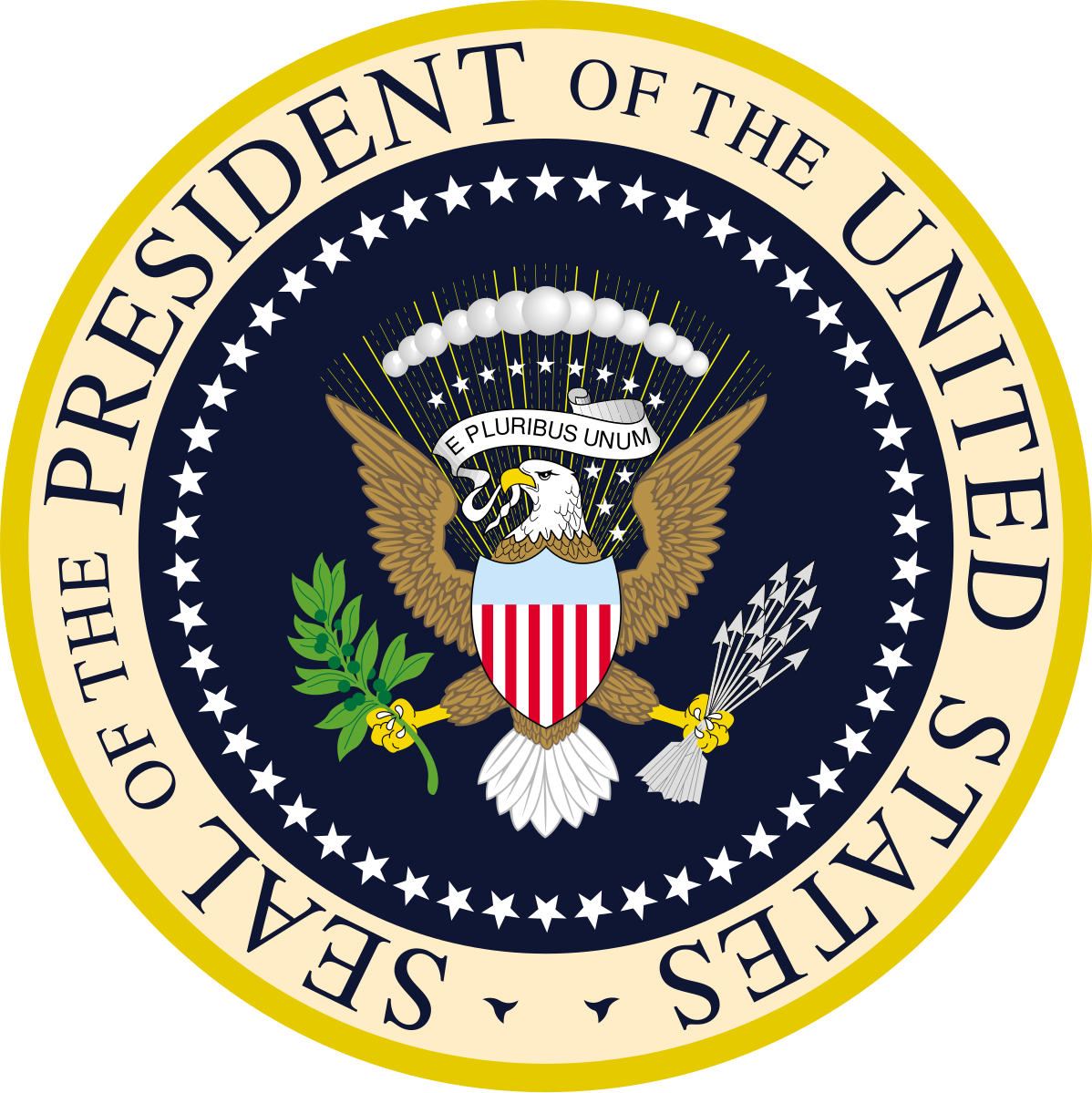
The President
The oath of office taken by the President is unique. Unlike the oaths sworn by others in government, the military, and throughout the country, the presidential oath is the only one whose exact wording is mandated by the U.S. Constitution.
"I do solemnly swear (or affirm) that I will faithfully execute the Office of President of the United States, and will to the best of my ability, preserve, protect and defend the Constitution of the United States."
-
![Capitol building]()
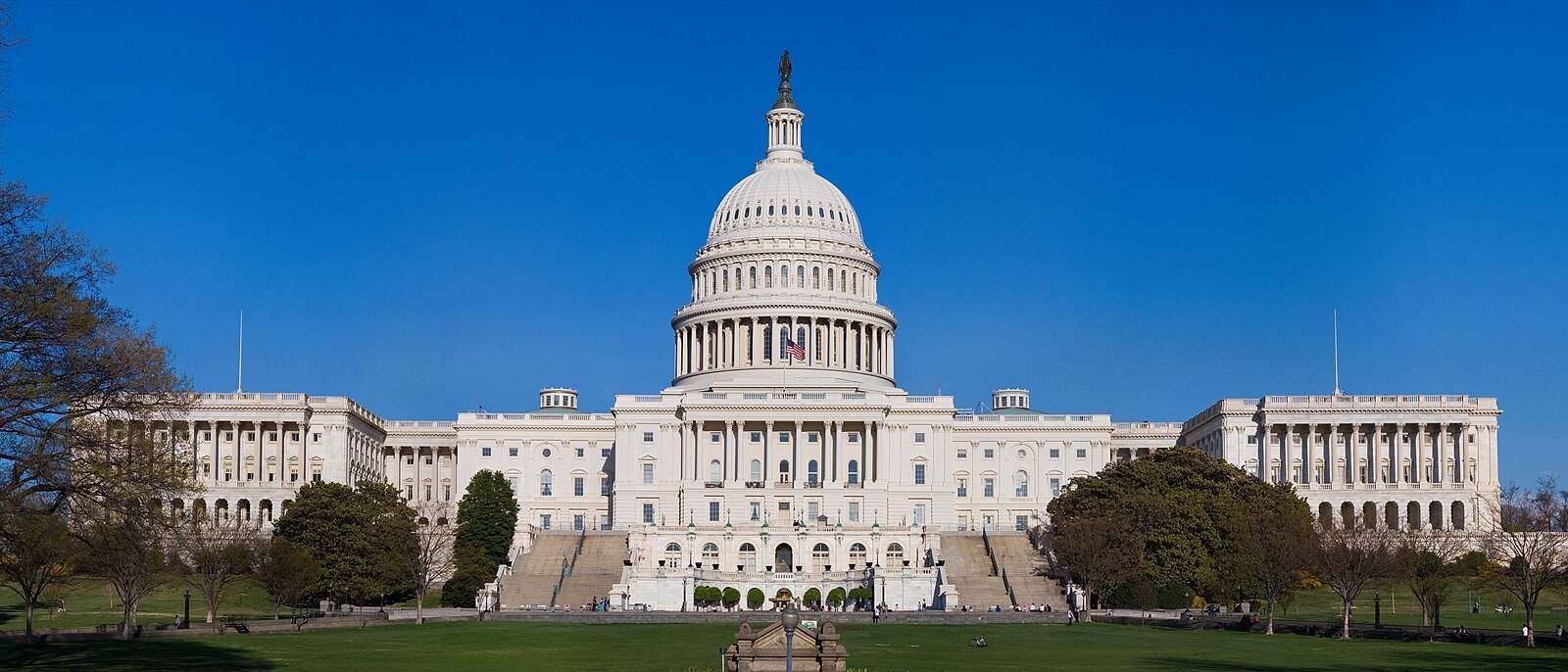
The Vice President, Cabinet, Congressional Members
Unlike the president's oath, which is constitutionally mandated, the oath for the Vice President, the Cabinet, and members of Congress, is set by statute. (Title 5 of the U.S. Code). This longer, more detailed pledge requires them to swear to support and defend the Constitution against all enemies, foreign and domestic, and to faithfully discharge their duties.
"I, [name], do solemnly swear (or affirm) that I will support and defend the Constitution of the United States against all enemies, foreign and domestic; that I will bear true faith and allegiance to the same; that I take this obligation freely, without any mental reservation or purpose of evasion; and that I will well and faithfully discharge the duties of the office on which I am about to enter. So help me God."
-
![Supreme court members]()
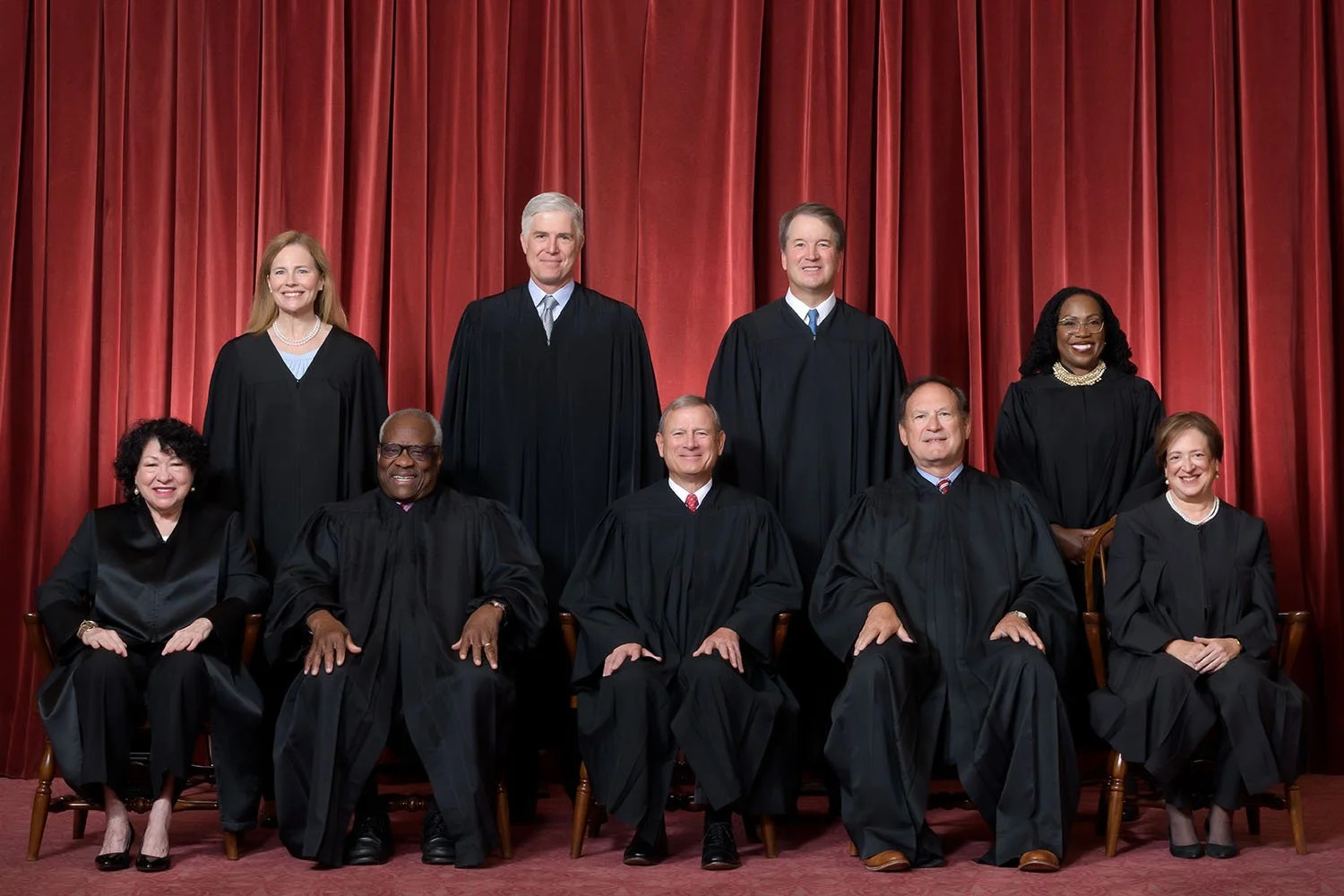
Supreme Court & Federal Judges
Federal judges take the same constitutional oath of office that is taken by the Vice President and members of Congress.
Second, and unique to the judicial branch, all federal justices and judges must also take a separate Judicial Oath. This has been a requirement since the Judiciary Act of 1789 and is now codified in Title 28 of the U.S. Code.
The text of the Judicial Oath is:
"I, _____, do solemnly swear (or affirm) that I will administer justice without respect to persons, and do equal right to the poor and to the rich, and that I will faithfully and impartially discharge and perform all the duties incumbent upon me as _____ under the Constitution and laws of the United States. So help me God.
-
![Silhouette of soldiers against flag and sky]()
The Military
The oath for commissioned military officers is the same as the oath taken by the Vice President and members of Congress, etc.
Enlisted members, however, take a slightly different oath, from commissioned officers, primarily because it reflects their distinct role within the military's hierarchical structure.
"I, _____, do solemnly swear (or affirm) that I will support and defend the Constitution of the United States against all enemies, foreign and domestic, and that I will obey the orders of the President of the United States and the orders of the officers appointed over me, according to regulations and the Uniform Code of Military Justice. So help me God."
The enlisted oath explicitly establishes a commitment to the chain of command. This is the bedrock of military discipline and operational effectiveness. It ensures the millions of service members who form the backbone of the armed forces will follow lawful orders.
Commissioned officers, on the other hand, are the leaders within that chain of command. Their ultimate allegiance is not to a superior officer or President but directly to the Constitution. The oath reflects their responsibility to exercise judgment and ensure that their actions, and the actions of those they lead, are always in accordance with the laws and principles of the United States. They are expected to give lawful orders, not just blindly follow them.
While both oaths prioritize defending the Constitution, the enlisted oath adds a layer that codifies the essential relationship between enlisted personnel and their leaders, ensuring a disciplined and effective military force.
-
![OPM logo]()
Federal Employees
The same solemn pledge sworn by the Vice President, members of congress, and federal judges, also binds over two million diverse civilian employees (well, a lot less now since DOGE). This unifies the entire federal workforce, from NASA scientists to national park rangers, under a single, constitutionally-focused commitment to public service.
-
![West Virginia Capital building]()
Governors & State Legislators
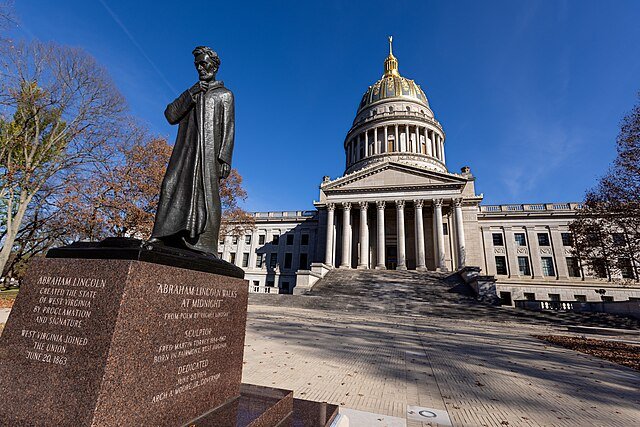
Governors and state legislators do not all take the same oath. While their oaths share common elements, the specific wording is unique to each state and is prescribed by that state's constitution or statutes.
The U.S. Constitution, in Article VI, requires all state executive and legislative officers to be bound by an oath or affirmation to support the U.S. Constitution. However, it does not provide the exact text for these oaths, leaving it to the individual states to craft their own.
As a result, each state has its own distinct oath of office. These oaths typically include a pledge to support the Constitution of the United States and the constitution of their respective state, as well as a promise to faithfully execute the duties of their office. Beyond these core similarities, the language, length, and specific commitments can vary significantly from one state to another.
-
![Mayor Pete sign]()
Local Government Officials
Local government officials do not all take the same oath. The specific wording of their oaths of office varies significantly from state to state, and sometimes even between different municipalities within the same state.
While there are common themes, each state's constitution or laws prescribe the specific oath that its public officials, including those at the local level, must take. These oaths generally require officials to:
Support the Constitution of the United States. Support the constitution and laws of their own state. Faithfully and impartially discharge the duties of their office.
However, the exact phrasing is not standardized nationally. For example, the oath for a mayor in one state will likely differ from the oath for a city council member in another.
-
![Police and Fireman]()
Law Enforcement & Firefighters
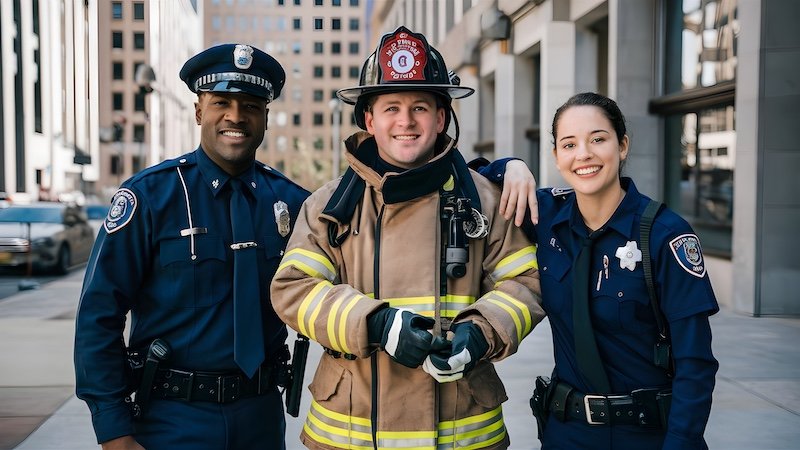
Not all law enforcement officers and firefighters take the same oath. The specific wording of their oaths varies by state and even by the local jurisdiction or agency they serve.
While there is no single, uniform oath for every law enforcement officer and firefighter in the United States, their oaths almost universally share a core commitment: to support and defend the Constitution of the United States. This fundamental requirement is a common thread that binds public servants at all levels.
Beyond that shared principle, the details of the oaths are determined by state constitutions, state laws, and local ordinances. As a result, the oath taken by a state trooper will differ from that of a city police officer, a county sheriff's deputy, or a municipal firefighter, often including a pledge to uphold the specific constitution and laws of their particular state and the ordinances of their local community.
In addition to formal oaths of office, many law enforcement agencies also have a "Law Enforcement Oath of Honor," which is a pledge to act with integrity and accountability. Similarly, many fire departments and organizations promote a "Firefighter’s Code of Ethics," which serves a comparable purpose by outlining the moral and professional standards expected of their members. The adoption and specific wording of these supplemental pledges can also vary between departments.
-
![Naturalization certificate]()
New Citizens
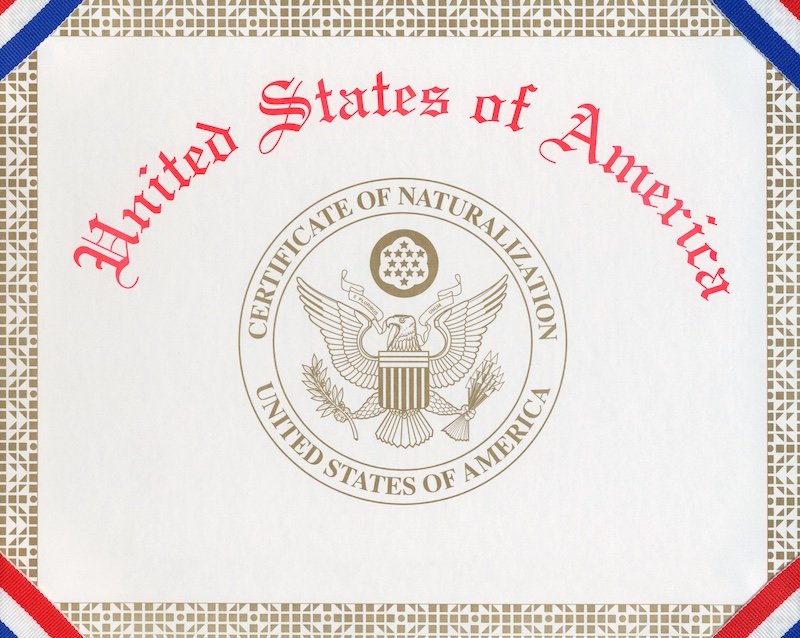
Although variations are allowed to accommodate religious or certain moral objections, the vast majority of new citizens swear the following oath of allegiance to the United States:
"I hereby declare, on oath, that I absolutely and entirely renounce and abjure all allegiance and fidelity to any foreign prince, potentate, state, or sovereignty, of whom or which I have heretofore been a subject or citizen; that I will support and defend the Constitution and laws of the United States of America against all enemies, foreign and domestic; that I will bear true faith and allegiance to the same; that I will bear arms on behalf of the United States when required by the law; that I will perform noncombatant service in the Armed Forces of the United States when required by the law; that I will perform work of national importance under civilian direction when required by the law; and that I take this obligation freely, without any mental reservation or purpose of evasion; so help me God."