EVERYONE else in government can do it, why can’t you?
-
![Unofficial Top Secret Stamp]()
Levels of Classified Information
Unclassified - Any information that does not warrant a higher security classification but still requires protection and is not for public release. The combination of sufficient quantities of unclassified information, called compilation, often merits a higher classification (such as confidential or secret).
Confidential - Information in which the unauthorized disclosure could reasonably be expected to cause damage to the national security.
Secret - Information in which the unauthorized disclosure could reasonably be expected to cause serious damage to the national security.
Top Secret - Information in which the unauthorized disclosure could reasonably be expected to cause exceptionally grave damage to the national security.
NOFORN is a restrictive intelligence control marking that stands for No Foreign Dissemination. When applied to classified or sensitive U.S. government information, it explicitly prohibits the information from being released or disclosed in any form to foreign governments (including allies and coalition partners), foreign nationals, or international organizations without the express, written permission of the originating intelligence element. Used primarily by the Intelligence Community, the NOFORN marking is intended to protect highly sensitive sources and methods from compromise and is one of the strictest limitations on intelligence sharing.
SCI (Specially Compartmented Information) - An extra layer of access control for highly sensitive intelligence. Must be processed, stored, and discussed within a specially constructed and secured area known as a Sensitive Compartmented Information Facility.
SAP (Special Access Program) - A classified program with safeguard and access requirements that are far more strict than those for information at the same classification level (Top Secret, etc). These enhanced controls are put in place to protect highly sensitive national security information, such as technological breakthroughs, intelligence on U.S. force capabilities, and sensitive operational plans.
-
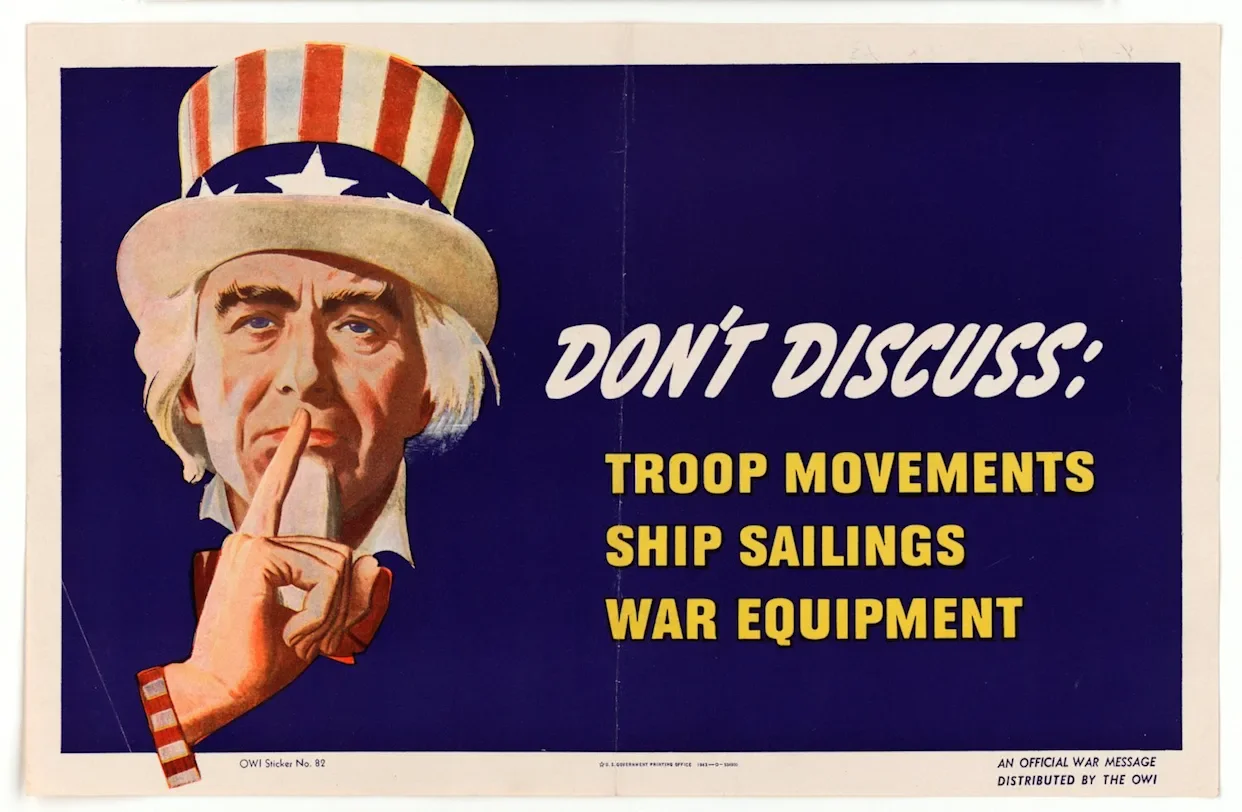
![WWII War Department Security Poster]()
Editor's Thoughts
After 38 years in the military and government handling classified information, we feel compelled to offer some perspective. The regulations for safeguarding classified material are not suggestions; they are ironclad rules. Every piece of information—from physical documents to digital communications—is governed by rigorous, non-negotiable security protocols. Inside the secure facilities known as SCIFs, we used different computers for each classification level, and our personal cell phone never crossed the threshold. Frankly, the culture is so serious that we were often reluctant to provide classified intelligence to certain other government agencies due to their reputation for lax security.
While we don't believe most of the individuals in these recent cases intended to harm U.S. national security, their actions stand in stark contrast to the reality faced by tens of thousands of dedicated public servants. These hardworking military and government employees scrupulously follow exacting standards every single day. For them, there is no leniency. Any failure to comply results in severe punishment, up to and including prison.
The stakes are not abstract. When these protocols are broken, lives can be lost—and we assure you, lives have been lost. The high-profile individuals involved in these incidents are primary collection targets for foreign intelligence agencies, far more so than any rank-and-file service member or government employee. To the professionals who have dedicated their careers to upholding these requirements, the double standard on display is not just glaring; it's a profound betrayal of their service.
-
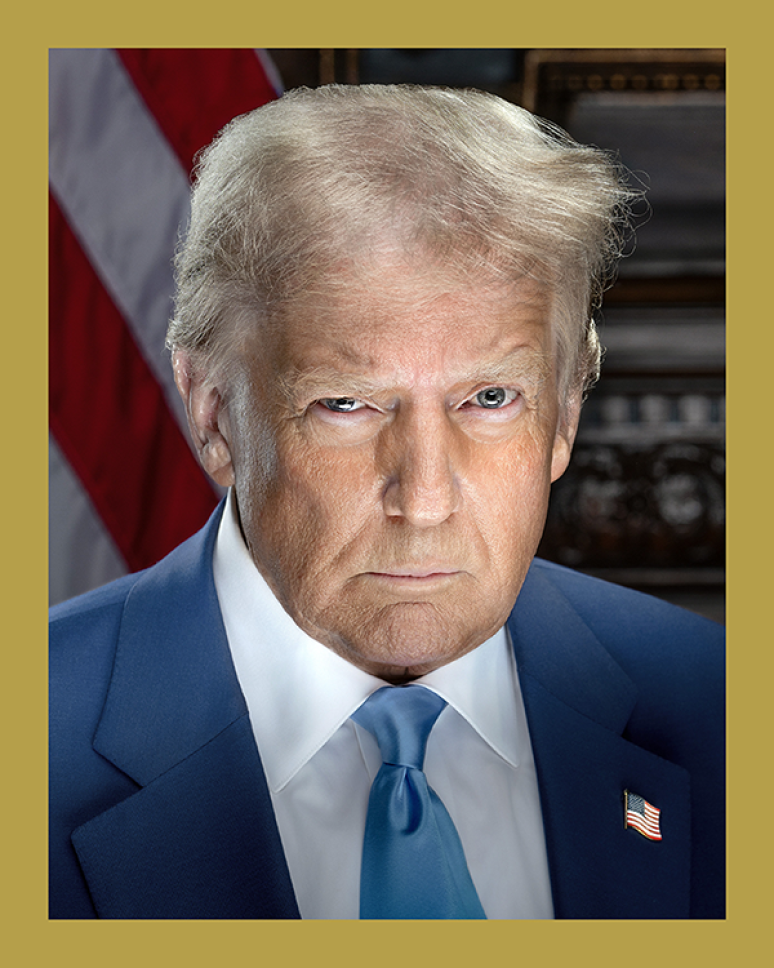
![Portrait of Donald Trump]()
Donald Trump
After leaving office, Donald Trump improperly took hundreds of classified documents to his Mar-a-Lago residence. This action drew sharp criticism, particularly because he had relentlessly attacked his 2016 presidential rival, Hillary Clinton, for her use of a private email server, deeming it "criminal" and a threat to national security.
Despite requests from the National Archives, Trump failed to return all the documents. Evidence suggests he actively tried to hide them, with federal indictments alleging he directed staff to move boxes to conceal them from the FBI and his own attorney. During an FBI search in August 2022, agents found classified materials in various unsecured locations, including a ballroom, a bathroom, and a storage room.
Over 300 documents with classification markings were recovered. These ranged from "Confidential" to "Secret" and, most seriously, "Top Secret," including some marked as Sensitive Compartmented Information (SCI), which is reserved for the nation's most sensitive intelligence. The documents reportedly contained information on U.S. nuclear programs and potential military vulnerabilities.
-
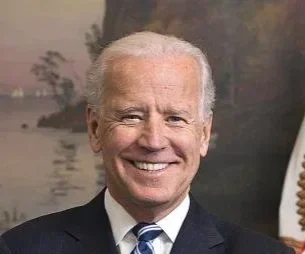
![Picture of Joe Biden]()
Joe Biden
In late 2022 and early 2023, classified documents from Joe Biden's time as vice president were discovered by his attorneys. Unlike the situation with Donald Trump, these documents were found in multiple locations, including a locked closet at the Penn Biden Center in Washington D.C., and in the garage and an adjacent room of his Wilmington, Delaware residence.
Upon discovery, Biden's lawyers immediately notified the National Archives and turned over the materials, initiating a process of cooperation with the Department of Justice. This stood in contrast to Trump's case, which involved a subpoena and an FBI search due to allegations of obstruction.
The documents in Biden's possession contained various levels of classification, including "Confidential," "Secret," and "Top Secret" materials. Some were reported to include intelligence briefings on foreign countries.
Previously, Biden had been critical of others' handling of sensitive information. In 2016, he stated that Hillary Clinton didn't understand the "gravity" of using a private email server. After the FBI search of Mar-a-Lago, Biden publicly called Trump's handling of classified documents "totally irresponsible." A special counsel was appointed to investigate Biden's case and ultimately recommended no criminal charges, citing his cooperation and finding insufficient evidence of willful mishandling for prosecution.
-
![Picture of Pete Hegseth]()
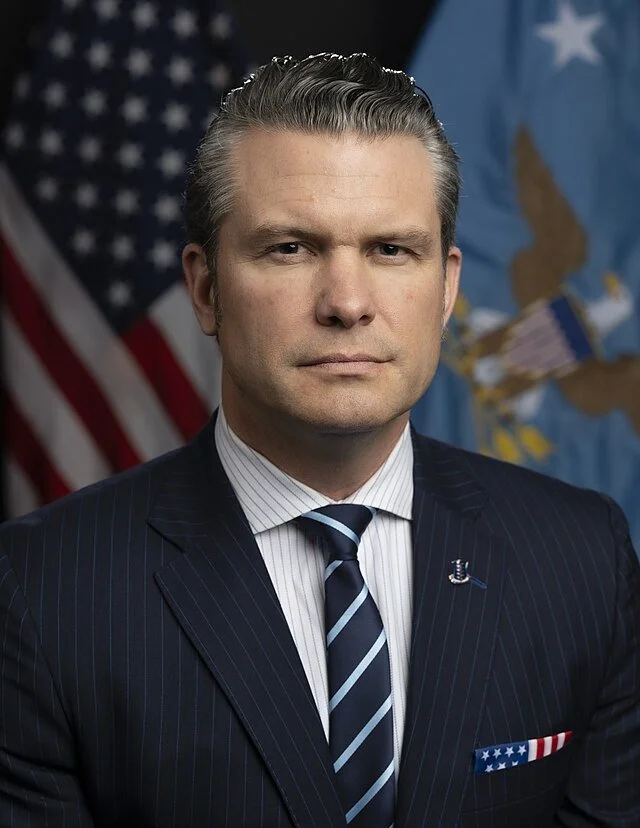
Pete Hegseth
In March 2025, it was revealed that Secretary of Defense Pete Hegseth used the encrypted messaging app Signal to share sensitive and classified details about impending U.S. airstrikes in Yemen. This information was shared in a group chat that inadvertently included the editor-in-chief of The Atlantic.
This incident drew significant criticism, particularly in light of Hegseth's past comments about Hillary Clinton's use of a private email server. In 2016, he was quoted as saying, "If it was anyone other than Hillary Clinton, they'd be in jail right now." He had also stated that any security professional would be "fired on the spot and criminally prosecuted for being so reckless with this kind of information."
The sensitive information was discovered in the Signal group chat, which was not an authorized channel for such communications. Further reports indicated that Hegseth used his personal phone for these chats and was part of another Signal group where he shared similar details with individuals who did not have security clearances, including his wife and brother.
The Pentagon's internal watchdog obtained evidence that the information Hegseth shared was derived from an email classified as "SECRET//NOFORN," meaning its unauthorized disclosure could cause serious damage to national security. The details shared included the types of aircraft and missiles to be used, as well as specific launch and attack times. While Hegseth and the administration initially denied that classified information was shared, the leaked messages and subsequent investigations contradicted these claims.
-
![Picture of Hillary Clinton]()
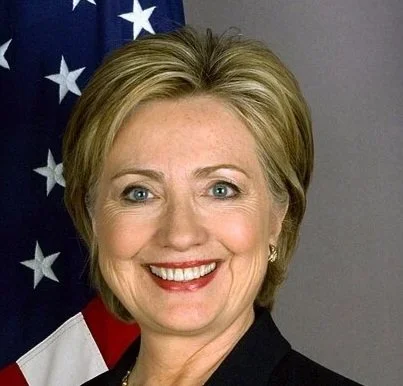
Hillary Clinton
During her tenure as Secretary of State, Hillary Clinton exclusively used a private email server for both personal and official government communications. This departure from standard government practice sparked a significant controversy that involved multiple investigations and became a major political issue.
In July 2016, then-FBI Director James Comey announced that while Clinton and her colleagues were "extremely careless" in their handling of "very sensitive, highly classified information," there was no evidence of intentional misconduct. He recommended that no criminal charges be brought against Clinton.
A significant point of contention was the presence of classified information on the private server. While none of the emails were marked as classified at the time they were sent, a subsequent review by intelligence agencies found that a small number of email chains contained information that was classified at the time, ranging from "Confidential" to "Top Secret."
The email controversy was a central issue in the 2016 presidential election. It fueled accusations of untrustworthiness and special treatment, and was a frequent topic of attack from her political opponents. She routinely made excuses and jokes about the server and hard drives.
In summary, the controversy surrounding Hillary Clinton's email server was a complex issue involving questions of government transparency, the handling of classified information, and compliance with federal regulations. While no criminal charges were ever filed, the matter remained a significant political liability for Clinton and a subject of intense public debate.
-
![Picture of John Bolton]()
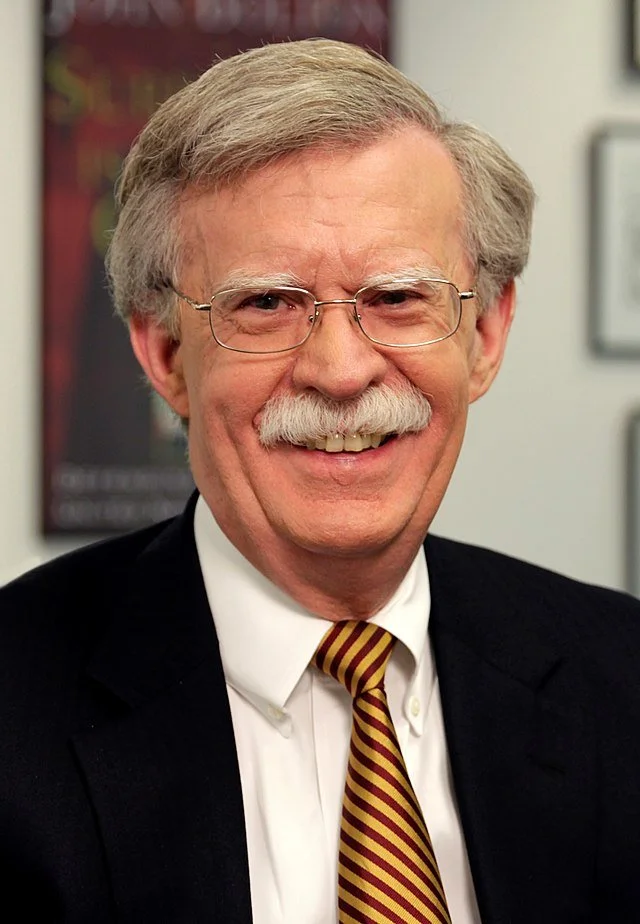
John Bolton
John Bolton, a former National Security Advisor, was indicted in October 2025 on multiple counts of mishandling classified information. The charges allege that after his tenure in the Trump administration, Bolton engaged in a pattern of illegally retaining and transmitting national defense information.
This development is particularly notable given Bolton's history as a vocal critic of how others handled sensitive government materials. While in office and after, he frequently criticized the security practices of the Trump administration. His own indictment cites a media interview where he condemned administration officials for discussing sensitive military operations on the encrypted messaging app Signal, calling it a "terrible lack of judgment." The indictment also revealed that hackers who breached his personal email account referenced the potential for a scandal "bigger than Hillary's emails," directly tying his situation to the very issue he and others had used to assail political opponents.
According to the 18-count indictment, Bolton is accused of sharing over a thousand pages of his diary-like notes, which contained classified information, with his relatives who lacked security clearances. He allegedly used personal, non-governmental email accounts, including AOL and Google, to transmit this sensitive data.
There is also evidence suggesting an attempt to conceal the extent of the issue. When a representative for Bolton informed the FBI in 2021 that his email had been hacked by actors believed to be linked to Iran, they allegedly failed to disclose that the compromised account contained classified information that he had shared.
The classified materials were discovered in several locations. FBI searches of Bolton's home in Bethesda, Maryland, and his office in Washington D.C. reportedly uncovered documents with classification markings. Furthermore, the indictment details the transmission of these materials through his personal email accounts. The information involved was classified up to the "Top Secret/Sensitive Compartmented Information (SCI)" level, which is reserved for the nation's most closely guarded secrets and could cause "exceptionally grave danger" to national security if disclosed.