Have we been here before?
-
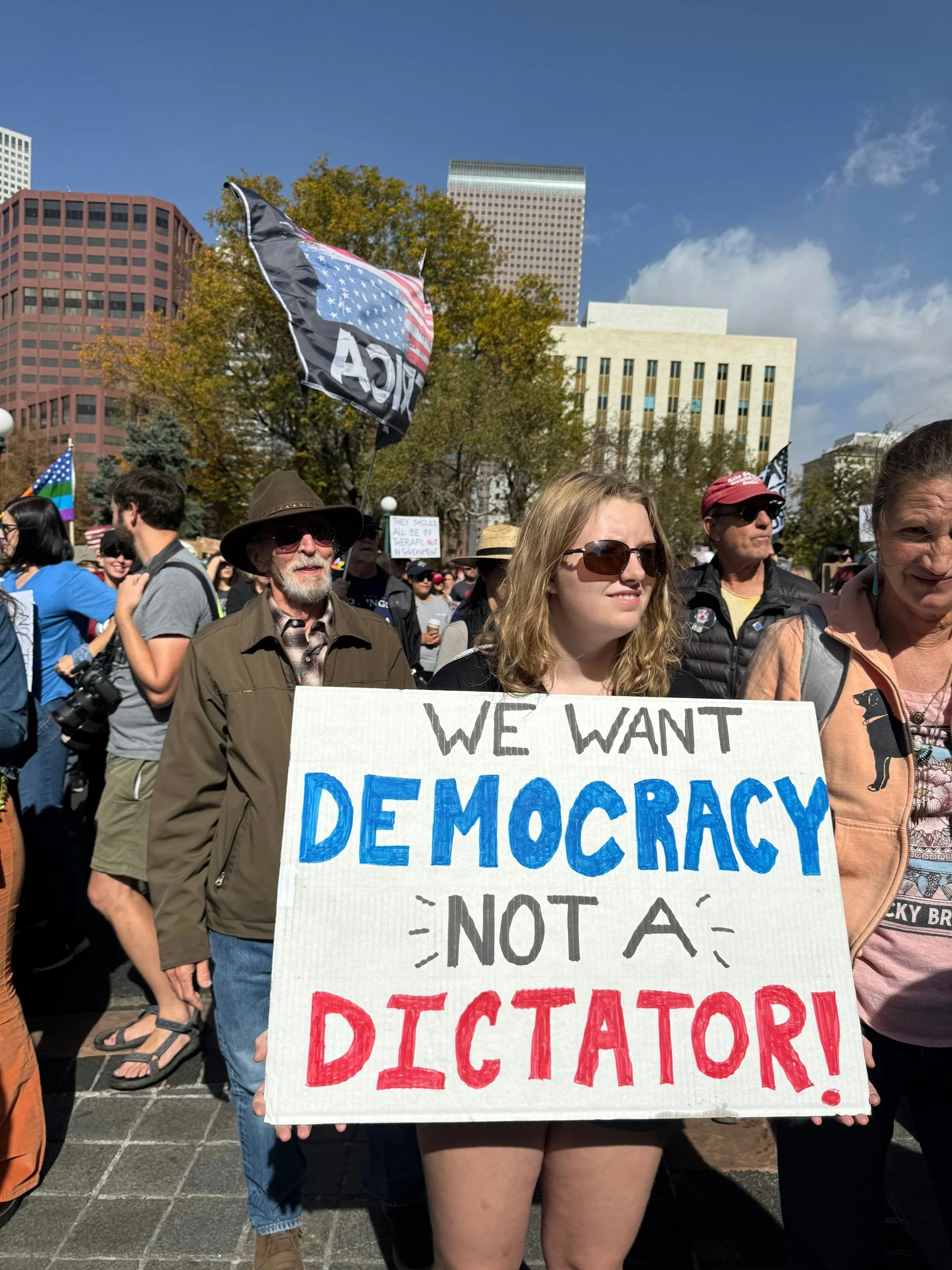
![Democracy Sign]()
Definitions - Classic vs Constitutional Autocrat
We did promise to be fair, so here goes:
The classic definition of an autocrat refers to a person who holds and exercises power with absolute, unlimited authority, unbound by legal or constitutional restraints. Historically, rulers who fit this description have been numerous and have been judged harshly by history.
The definition of autocrat in a democracy refers to a leader who was democratically elected but then begins to rule using authoritarian methods, systematically undermining democratic institutions.
This type of leader maintains a façade of democracy (they still hold elections) while actively consolidating personal power and neutralizing checks and balances.
They make important decisions unilaterally, often ignoring advice or input from the legislature, cabinet, or their own political party.
They systematically weaken key democratic safeguards, such as:
The Judiciary: Packing courts with loyalists or ignoring court rulings.
The Legislature: Signing Executive Orders that reduce the legislature’s authority or bypass it entirely.
Restricting Civil Liberties: They use the power of the state to suppress dissent, often targeting:
The Media: Using state power to harass, shut down, or purchase critical media outlets.
Opposition: Arresting, threatening, or prosecuting political opponents and critics.
"Weaponizing" Popular Support: They use their initial electoral mandate (popular support) to justify their actions, claiming they are acting on the "will of the people" to dismantle what they frame as "corrupt" or "inefficient" democratic systems.
This political phenomenon is considered a danger because the leader uses democratic means to gain power and then employs autocratic tactics to stay in power.
-
![Painting of Andrew Jackson]()
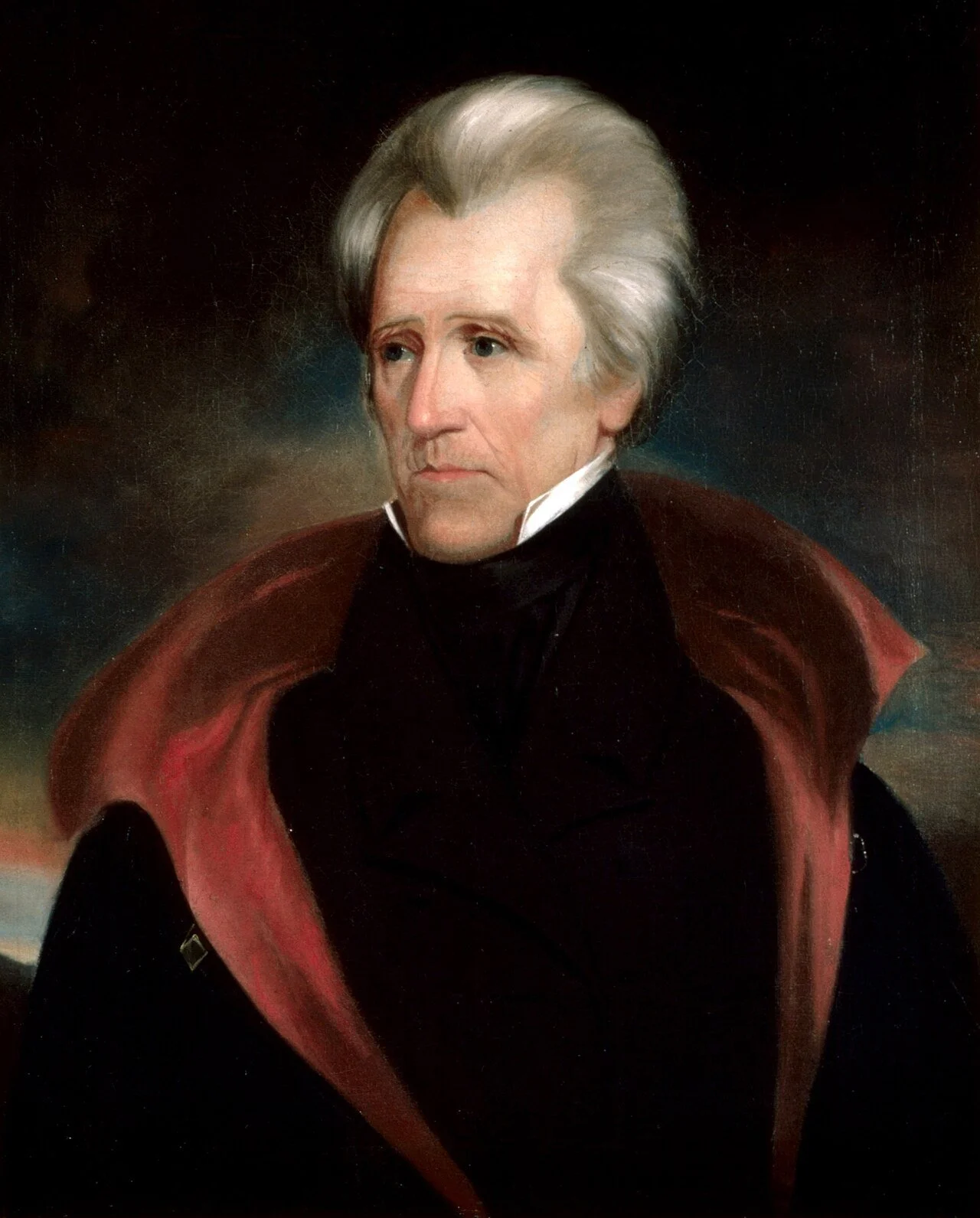
Andrew Jackson (1829 - 1837)
Andrew Jackson's presidency is often cited as a period of executive overreach, earning him the label of an autocrat for several key actions that challenged the balance of power. His "war" on the Second Bank of the United States was a prime example. After vetoing its recharter, he unilaterally ordered the removal of federal funds from the bank, an act his opponents in Congress deemed an unconstitutional seizure of their authority over public revenue. This led to his formal censure by the Senate.
Furthermore, Jackson’s handling of the Indian Removal Act demonstrated a profound disregard for the judicial branch. When the Supreme Court ruled in favor of the Cherokee Nation in Worcester v. Georgia, affirming their sovereignty, Jackson famously defied the decision. His refusal to enforce the Court's ruling directly led to the tragic Trail of Tears and undermined the principle of judicial review.
During the Nullification Crisis, he threatened to use military force against South Carolina to enforce federal tariffs, asserting presidential authority in an unprecedented manner. Combined with his use of the "spoils system" to install loyalists in government positions, these actions created a legacy of a president who prioritized his own will over constitutional checks and balances.
-
![Picture of Abraham Lincoln]()
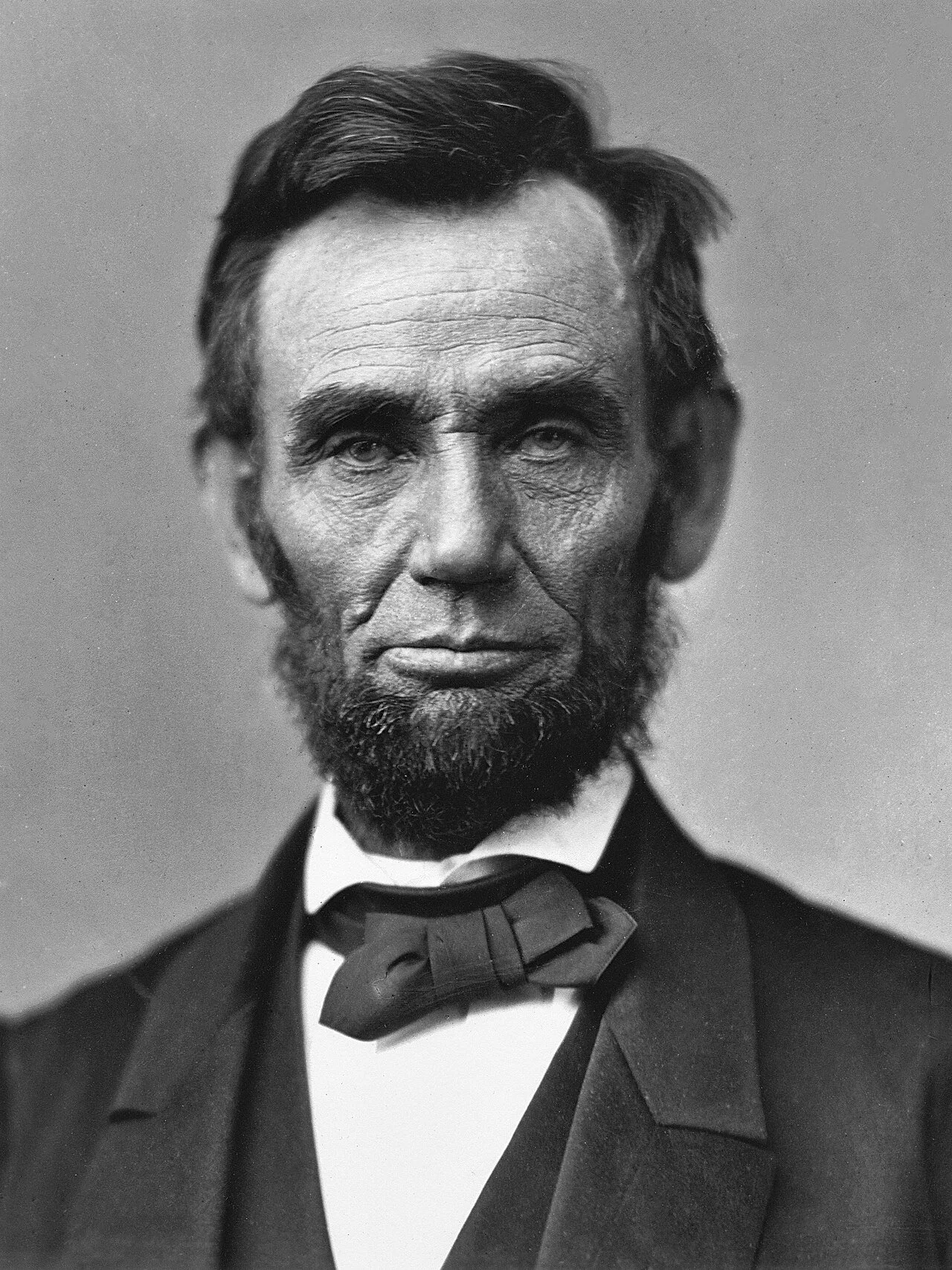
Abraham Lincoln (1861 - 1865)
Abraham Lincoln's presidency, while celebrated for preserving the Union, included actions widely seen as autocratic, primarily driven by the necessities of the Civil War. He dramatically expanded executive power, often without congressional approval.
The most notable example was his suspension of the writ of habeas corpus, which allowed the military to arrest and detain thousands of American citizens without trial. He justified this as a necessary measure to suppress dissent and rebellion in the border states. Chief Justice Roger Taney ruled Lincoln's action unconstitutional, but the president ignored the court's decision, demonstrating a clear defiance of the judicial branch.
Furthermore, Lincoln unilaterally imposed martial law, authorized a naval blockade of the South, and shut down newspapers that were critical of his administration, directly infringing on the First Amendment. He also issued the Emancipation Proclamation as a war measure, an executive action with monumental consequences.
While his defenders argue these steps were crucial to winning the war and saving the nation, critics contend that his willingness to bypass Congress and the Constitution set a dangerous precedent, consolidating power in the executive branch in a manner consistent with an autocrat.
-
![Picture of Woodrow Wilson]()
Woodrow Wilson (1913 - 1921)
Woodrow Wilson's presidency, particularly during World War I, saw a severe crackdown on civil liberties that many historians characterize as autocratic. His administration championed the Espionage and Sedition Acts, which effectively criminalized any speech deemed critical of the war effort, the government, or the military. This led to the prosecution and imprisonment of thousands of Americans, including journalists, activists, and prominent political opponents like Socialist leader Eugene V. Debs, for simply expressing their opinions. This represents a profound suppression of First Amendment rights.
Furthermore, Wilson's attorney general launched the infamous Palmer Raids, targeting suspected leftists and immigrants. Thousands were arrested without warrants and hundreds were deported, often with little to no due process, in a stark violation of constitutional protections.
Wilson also used his executive authority to oversee the racial segregation of multiple federal government departments, reversing decades of progress. While he is often remembered as an international idealist, his domestic policies involved a significant expansion of federal power to control public discourse and punish dissent, actions that form the core of the argument for labeling him an autocrat.
-
![Picture of Franklin Roosevelt]()
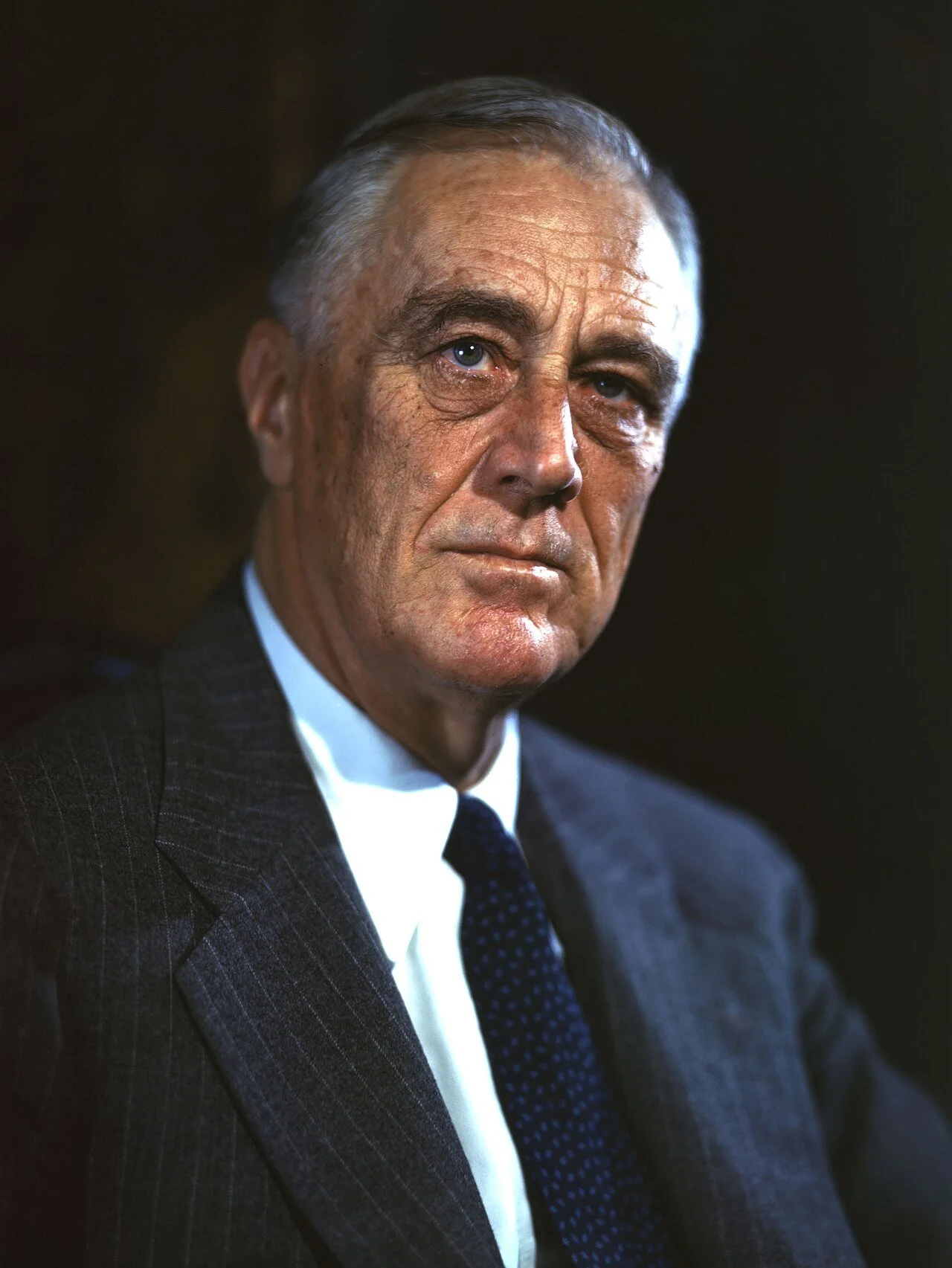
Franklin Roosevelt (1933 - 1945)
Franklin D. Roosevelt's leadership during the Great Depression and World War II led to an unprecedented expansion of presidential power, causing many to label him an autocrat. His New Deal dramatically reshaped the role of the federal government, creating a vast array of new agencies and programs, often through executive orders, which concentrated immense authority within the executive branch.
His most direct challenge to constitutional norms was the Judiciary Reorganization Bill of 1937, commonly known as his "court-packing plan." Frustrated by the Supreme Court striking down key New Deal legislation, Roosevelt proposed adding up to six new justices to the bench. This was widely seen as a blatant attempt to manipulate the Court, subordinate the judicial branch to his own will, and undermine the critical principle of separation of powers.
Furthermore, his decision to run for and win a third and fourth term shattered a long-standing tradition established by George Washington, fueling fears that he was accumulating power in a way that resembled a monarch or dictator. While his supporters saw his actions as necessary responses to national crises, critics argued they dangerously eroded democratic institutions.
-
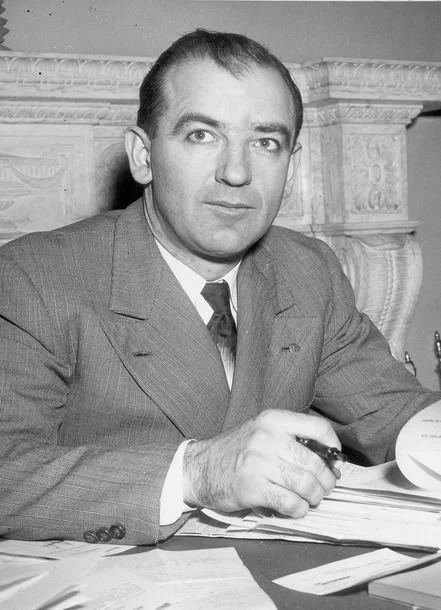
![Picture of Joseph McCarthy]()
Joseph McCarthy (1947 - 1957)
Senator Joseph McCarthy's legacy is overwhelmingly negative, defined by the term McCarthyism, which now describes any reckless, unsubstantiated political smear campaign. His career serves as a cautionary tale about the dangers of unchecked political power and demagoguery.
In the early 1950s, during the Cold War's Red Scare, he created a national panic by making baseless claims of widespread communist infiltration in vital American institutions. His accusations destroyed the careers and reputations of hundreds of innocent Americans. Through televised public hearings and the insidious practice of "blacklisting," people were ostracized and denied employment, even though he never proved a single case of espionage.
He fostered a pervasive climate of fear that stifled free speech and dissent, where constitutional guarantees of due process were often ignored. His power finally crumbled after the televised 1954 Army-McCarthy hearings, where millions of Americans witnessed his bullying tactics firsthand, leading to his formal censure by the Senate. Ultimately, McCarthy is remembered not as a patriot, but as a demagogue who ruthlessly exploited national anxieties for political gain, representing a dark and shameful chapter in American history.
-
![Picture of Lyndon Johnson]()
Lyndon Johnson (1963 - 1969)
Lyndon B. Johnson's presidency is marked by a dramatic expansion of executive power, leading many to view him as autocratic, particularly in his handling of the Vietnam War and domestic surveillance. The pivotal moment was his use of the Gulf of Tonkin Resolution in 1964. Johnson used a disputed naval incident to secure a near-unanimous congressional resolution, which he then treated as a functional declaration of war. This allowed him to escalate U.S. involvement in Vietnam massively, deploying hundreds of thousands of troops without ever seeking the formal declaration of war required by the Constitution, effectively bypassing Congress's most significant check on presidential power.
Simultaneously, Johnson authorized and expanded illegal surveillance programs like the FBI's COINTELPRO. These operations targeted American citizens, including anti-war protesters and civil rights leaders like Martin Luther King Jr., using wiretaps, infiltration, and psychological warfare to disrupt and discredit domestic dissent. This secret war on his own citizens, combined with his unilateral escalation of an undeclared foreign war, demonstrated a willingness to subvert both legislative authority and constitutional rights, forming the core of the argument for his autocratic tendencies.
-
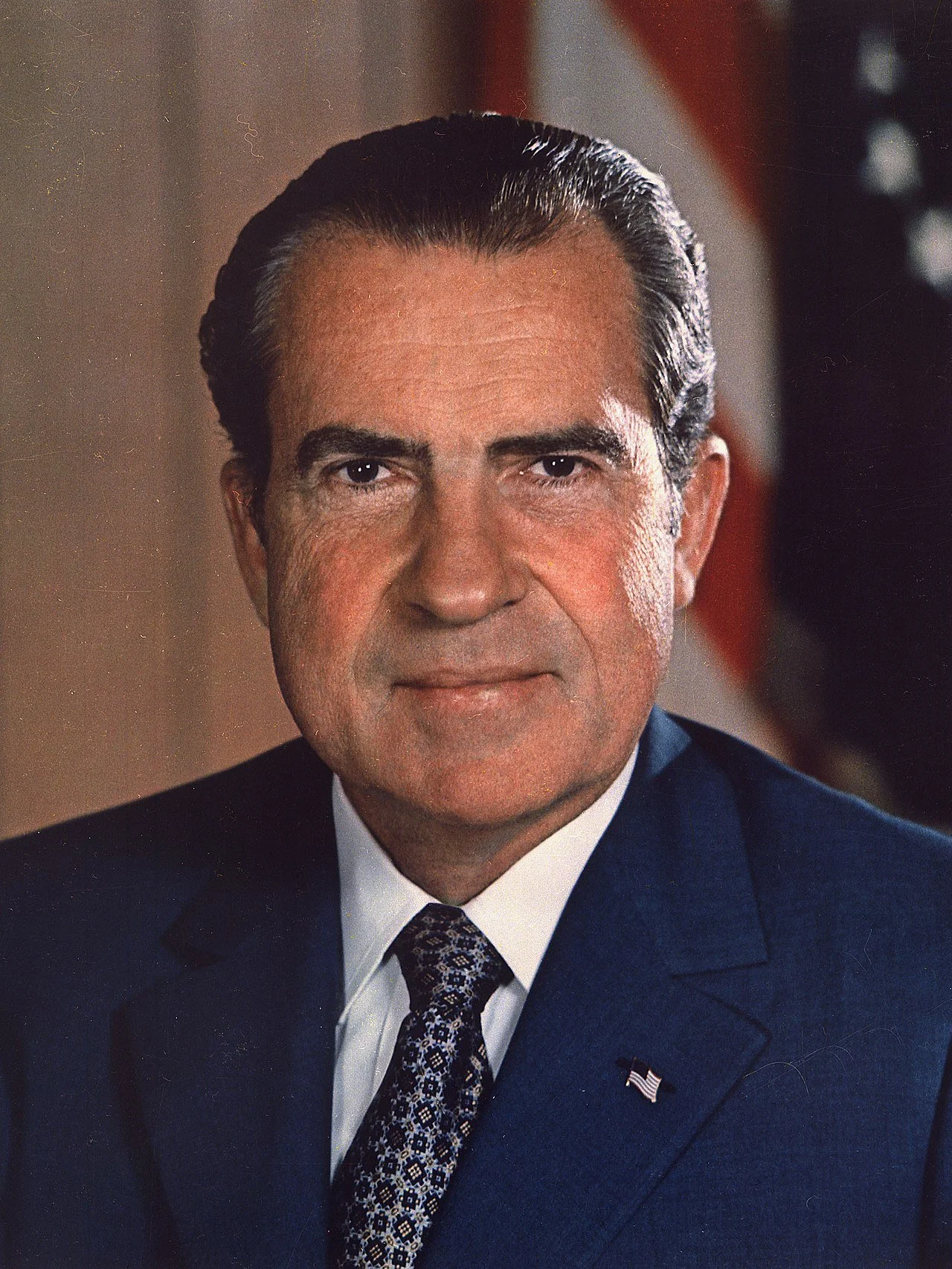
![Picture of Richard Nixon]()
Richard Nixon (1969 - 1974)
Richard Nixon's presidency is a primary case study in autocratic behavior, culminating in the Watergate scandal. His administration's efforts to cover up the break-in at the Democratic National Committee headquarters involved a massive abuse of presidential power, including obstructing justice, paying hush money, and using the CIA to impede an FBI investigation. This demonstrated a belief that the president was above the law.
Nixon also systematically used the instruments of government to target political opponents and dissenters. He created a notorious "enemies list" and authorized illegal wiretaps and surveillance operations against journalists, anti-war activists, and other perceived adversaries, violating their constitutional rights. This transformed government agencies into tools for personal political warfare.
Furthermore, Nixon aggressively expanded executive authority by claiming an almost unlimited "executive privilege" to withhold information from Congress and the courts. He also defied the legislative branch's power of the purse by illegally impounding billions of dollars in funds that Congress had appropriated for programs he opposed. These actions, taken together, painted a clear picture of a leader who actively sought to subvert democratic processes and constitutional checks and balances in favor of his own unilateral power. goes here
-
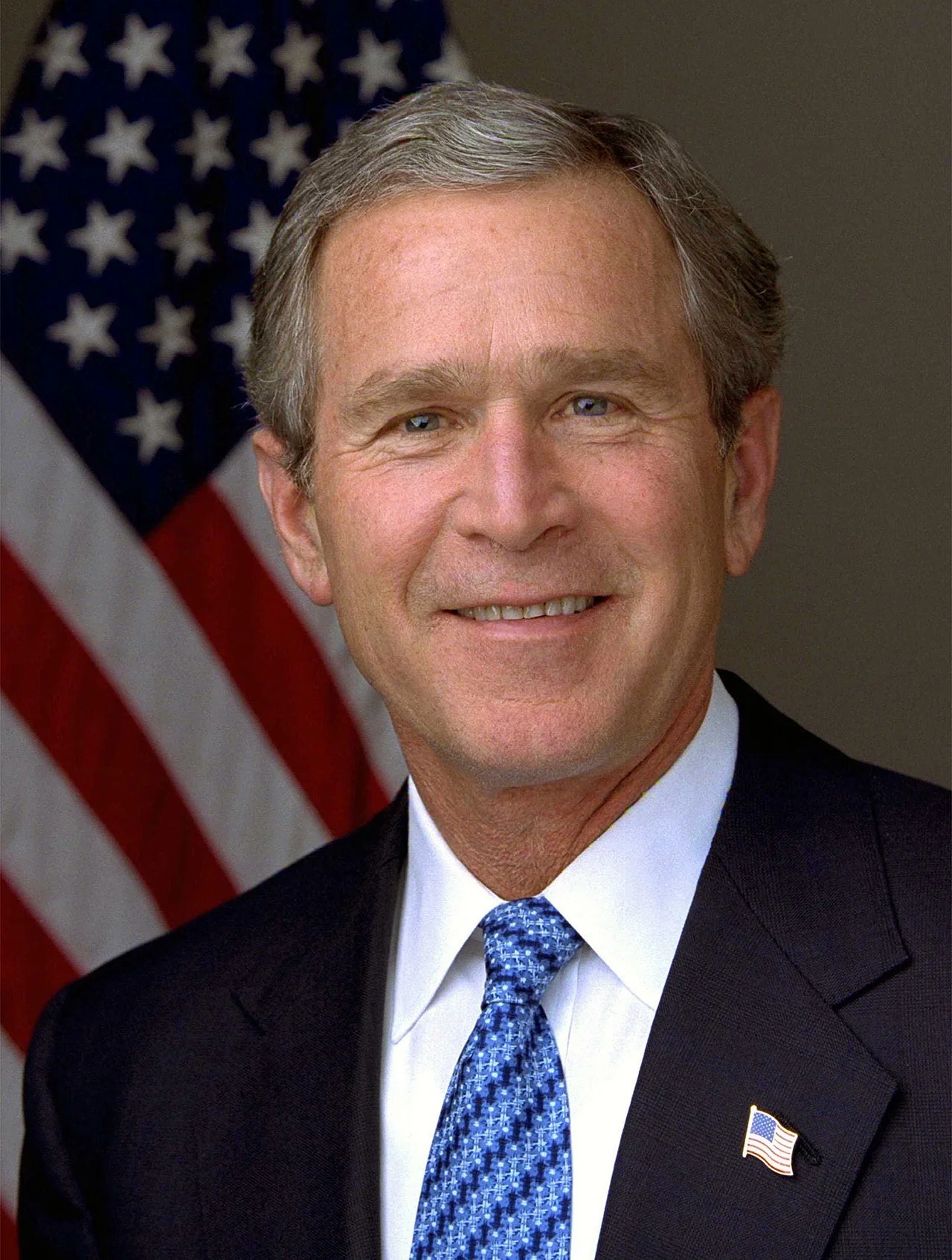
![Picture of George W. Bush]()
George W. Bush (2001 - 2009)
George W. Bush's presidency is often described as autocratic due to his administration's aggressive expansion of executive power, particularly after the 9/11 attacks, under the legal framework of the "unitary executive theory." This theory asserted that the president has broad, inherent authority in matters of national security that cannot be limited by Congress or the courts.
In the name of the "War on Terror," this led to several controversial actions. A prime example was the authorization of the NSA's warrantless wiretapping program, which secretly monitored the communications of American citizens without the judicial oversight required by the Foreign Intelligence Surveillance Act (FISA). Furthermore, his administration sanctioned the use of "enhanced interrogation techniques," widely condemned as torture, against suspected terrorists and created secret legal memos to justify them.
By establishing military tribunals and detaining "enemy combatants" at Guantanamo Bay indefinitely without trial, he effectively bypassed the traditional American justice system. These actions, which asserted the president's power to operate beyond the established constraints of the law and the other branches of government, form the core of the argument against his presidency. here
-
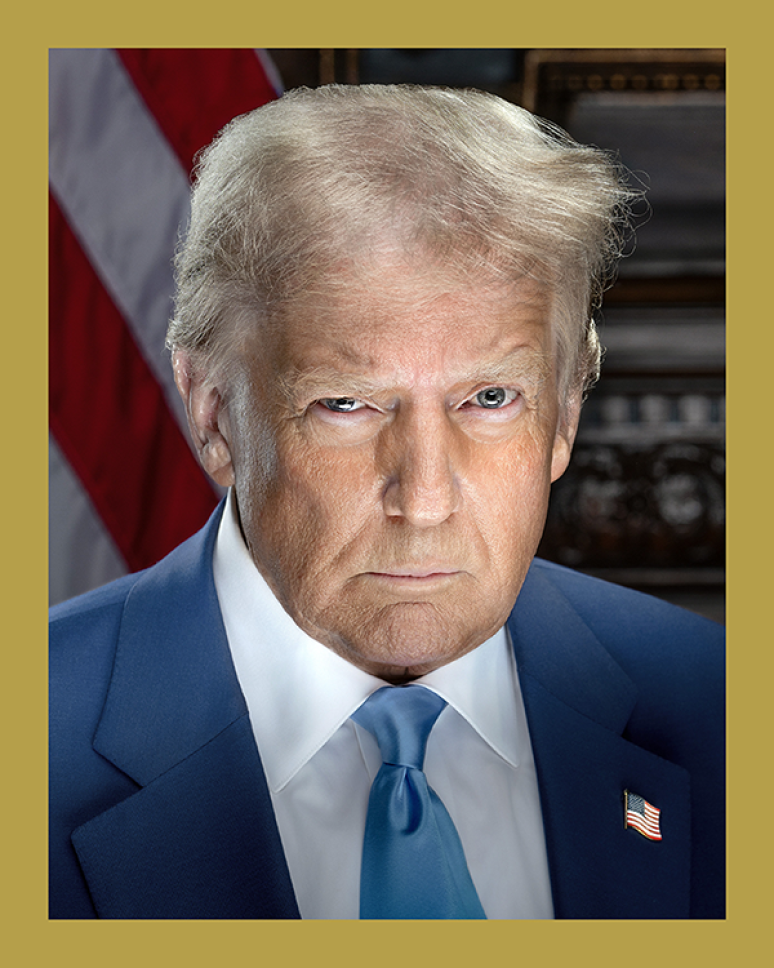
![Image of Donald Trump]()
Donald J. Trump (2017 - 2021) (2025 -?)
Living History.
Regardless whether you love, tolerate, or, umm, dislike the current POTUS, he absolutely, most definitely, positively, without question, goes down in the books as an autocrat, without peer. NOT end of story.