The Faces of Moderation within the Republican Party
-
![Republican Party Logo]()
Introduction
Over the next few days, The Pragmatic Patriot will introduce some Republican moderates we feel embody the spirit of NATION before party. Certainly not all will agree with us and we welcome your input. We’re going to run these ladies and gentlemen up the flagpole for your consideration. Tell us what you think.
In today's highly polarized political environment, moderate Republicans are crucial for turning party goals into actual law, despite their shrinking numbers. They are not "Republicans in Name Only" but pragmatic legislators who prioritize governing and legislative success over strict ideological demands.
These centrist Republicans hold to core tenets like fiscal conservatism and limited government, but they are also willing to seek consensus on difficult issues.
They primarily succeed in politically diverse districts where compromise is necessary for victory.
Their small size gives them outsized influence in a narrowly divided Congress.
This moderate bloc represents a vital force for the Republican Party's future. By focusing on essential governing tasks and appealing beyond the conservative base, they ensure the party remains effective and capable of achieving legislative outcomes.
-
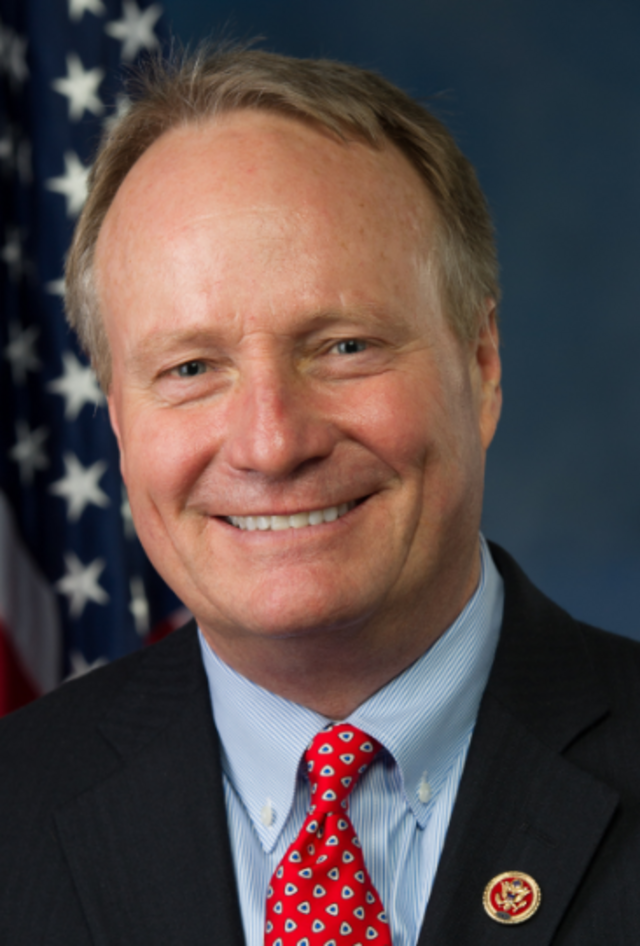
![Image of David Joyce (R-OH)]()
David Joyce
David Joyce, representing Ohio's 14th Congressional District since 2013, has built a reputation as one of the more moderate and pragmatic members of his party. Before entering Congress, he served for nearly 25 years as the Geauga County Prosecutor, a background he credits for his "common sense" approach to governance.
In Washington, Joyce is best known for his leadership roles in caucuses dedicated to bipartisanship. He is a prominent member of the Problem Solvers Caucus, a group evenly split between Democrats and Republicans focused on finding common-ground solutions. He also served as the chairman of the Republican Governance Group (also known as the Republican Main Street Partnership), a caucus of center-right Republicans focused on pragmatic policy.
His voting record and legislative efforts reflect this moderate stance. He has been consistently ranked as one of the most bipartisan members of the House by organizations like the Lugar Center and Georgetown University.
Key examples of his bipartisan work include:
Environmental Policy: He is a leading Republican advocate for the Great Lakes Restoration Initiative (GLRI), frequently working with Democratic colleagues to secure funding for the program.
Cannabis Reform: As co-chair of the bipartisan Congressional Cannabis Caucus, he has sponsored legislation to protect states' rights to regulate cannabis and to ease federal restrictions, working closely with Democratic counterparts.
Healthcare: In 2017, he notably broke with his party to vote against a Republican bill to repeal the Affordable Care Act, stating at the time that the proposed legislation was "too partisan" and did not adequately protect his constituents.
Public Safety: He has co-founded the Bipartisan Task Force to End Sexual Violence and has sponsored or co-sponsored numerous bipartisan bills targeting issues like organized retail crime and the fentanyl epidemic.
-
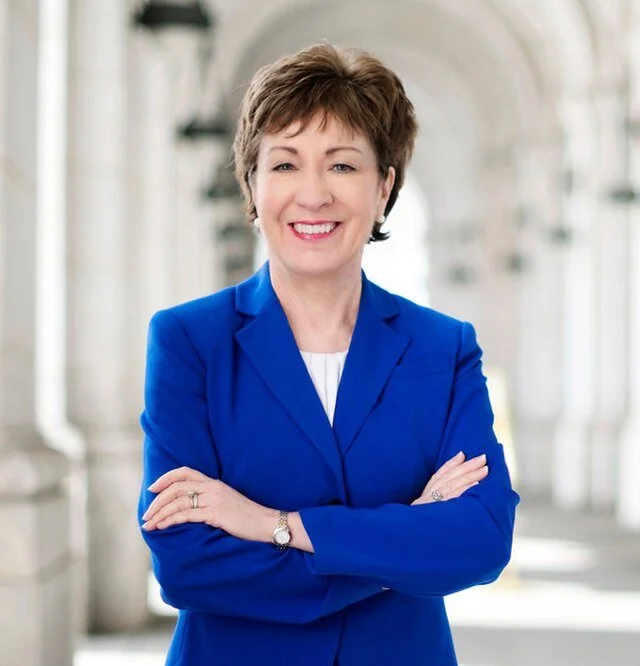
![Susan Collins]()
Susan Collins
Senator Susan Collins, Maine's longest-serving member of Congress, embodies the increasingly rare profile of a moderate Republican dedicated to bipartisanship. Elected in 1996, her reputation is built on her ability to work across the aisle, earning her recognition multiple times as the most bipartisan senator by organizations like the Lugar Center. Collins is fiscally conservative but holds socially moderate views, making her a crucial swing vote on highly divisive issues.
Her calm demeanor and commitment to process have allowed her to mediate key legislative battles. She was instrumental in passing critical legislation, including the Paycheck Protection Program (PPP) and co-authoring the law that overhauled the nation’s intelligence community in 2004. In moments of party crisis, she has repeatedly broken with the GOP, notably helping kill several efforts to repeal the Affordable Care Act and being one of seven Republicans to vote to convict President Trump in his second impeachment trial. Her willingness to support Democratic nominees for the Supreme Court, like Sotomayor and Kagan, further illustrates her emphasis on independence and competence over ideological rigidness. Collins’s long tenure and record of legislative achievement highlight her unique position as a pragmatic centrist.
-
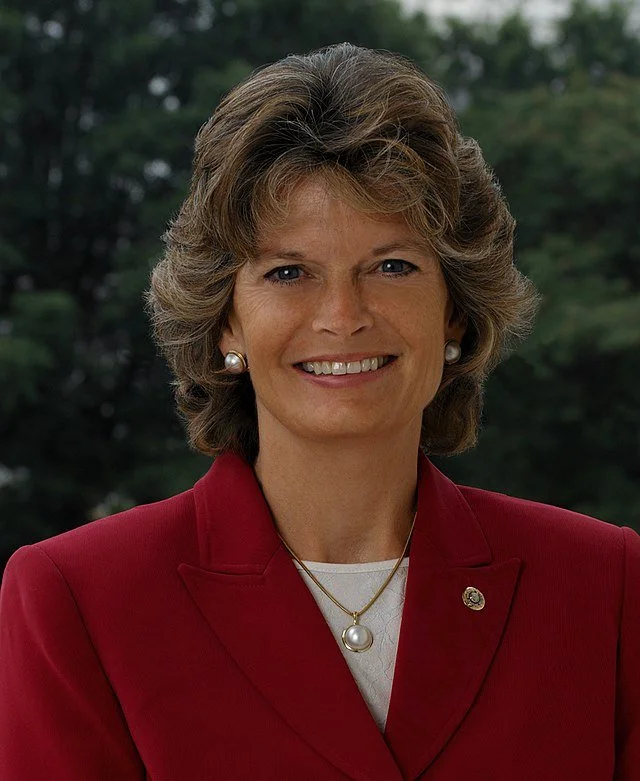
![Image of Senator Lisa Murkowski]()
Lisa Murkowski
Senator Lisa Murkowski, who has represented Alaska since 2002, is one of the Senate’s most powerful moderate Republican voices, defined by her fierce independence and commitment to bipartisan lawmaking. Her career is notable for consistently prioritizing her state's unique needs (especially on energy and tribal matters) over party orthodoxy, earning her a reputation for integrity and political courage.
Murkowski's commitment to centrism was cemented by her historic 2010 win as a write-in candidate after losing her Republican primary to a Tea Party challenger. This victory gave her a sense of political freedom, enabling her to vote her conscience. Her calm, deliberative demeanor often makes her a crucial swing vote, capable of brokering deals across the aisle. She was one of only two Republicans who successfully blocked the repeal of the Affordable Care Act in 2017 and was one of seven Republicans who voted to convict President Trump in his second impeachment trial.
Murkowski is a pro-choice Republican and a strong advocate for environmental protection, frequently diverging from her party on social and climate issues. Her ability to convene bipartisan groups, sometimes literally hosting Republicans and Democrats at her D.C. home to forge consensus on bills like COVID-19 relief and infrastructure, highlights her practical approach to governance, making her a pivotal figure in the search for common-sense solutions in a polarized Washington.
-
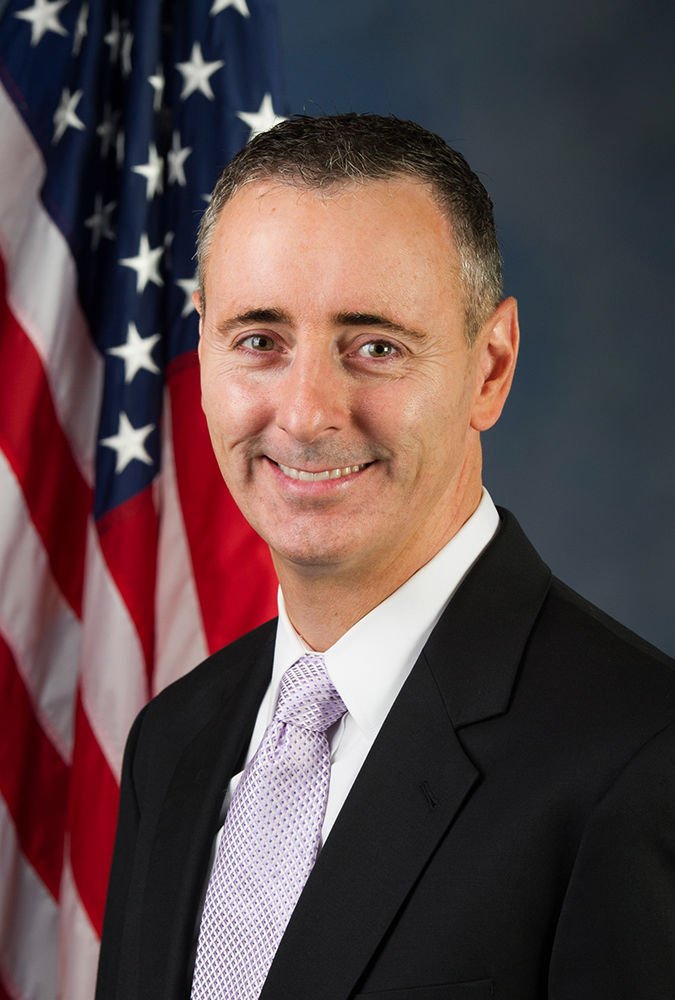
![]()
Brian Fitzpatrick
Brian Fitzpatrick, the Republican U.S. Representative for Pennsylvania’s 1st Congressional District, is widely regarded as one of the most authentically bipartisan and cooperative members of the U.S. House of Representatives. His approach to politics is rooted in his prior career: over 14 years as a methodical, non-partisan professional serving as an FBI Supervisory Special Agent and Federal Prosecutor. That time—spent on assignments ranging from national anti-corruption programs to being embedded with U.S. Special Forces in Iraq—instilled a singular, results-oriented focus that he carried directly into Congress in 2017.
Upon entering the hyper-partisan political arena, Fitzpatrick immediately rejected extreme ideological posturing. His commitment to cooperation is best encapsulated by his critical leadership role as Co-Chair of the Problem Solvers Caucus, a dedicated group comprised of equal numbers of Democrats and Republicans. Under his guidance, the caucus functions as a legislative bridge, working to draft and advance bills that are designed to garner majority support from both sides of the aisle, effectively breaking through gridlock.
Fitzpatrick’s cooperative nature is not merely symbolic; it is quantified by his voting record, which independent metrics consistently rank as the most bipartisan in the House. He has demonstrated his willingness to put pragmatic legislation ahead of party loyalty, most notably by being one of the few Republicans to vote for the landmark Bipartisan Infrastructure Law. Further illustrating his commitment to cooperation and transparency, he has partnered with Democrats to champion major ethics reforms, including leading the effort to ban members of Congress and their spouses from trading individual stocks, positioning the issue as one of good governance rather than partisanship.
Serving on key committees like Ways and Means and the House Permanent Select Committee on Intelligence, Fitzpatrick consistently seeks out opportunities for common ground, whether addressing the burden of unfair government pension offsets on police and firefighters, or finding solutions for national security challenges. His tenure is a testament to his belief that effective government requires cooperation, establishing him as a crucial voice for the center and an architect of bipartisanship in a deeply divided Congress.